ADI

Insemination with donor sperm, so-called donor insemination (DI), also called artificial donor insemination (ADI)

In donor (heterologous) treatments, donor sperm is used. The most common reason to choose this type of treatment is the absence of sperm in the man’s ejaculate. Failure of previous measures or their rejection are other reasons.

In the simplest case, that is, when no significant female fertility-impairing cause is present, after determining the time of ovulation, a transfer of the donor sperm (insemination) into the uterus can be performed. In this case, additional hormone treatment may also be necessary.
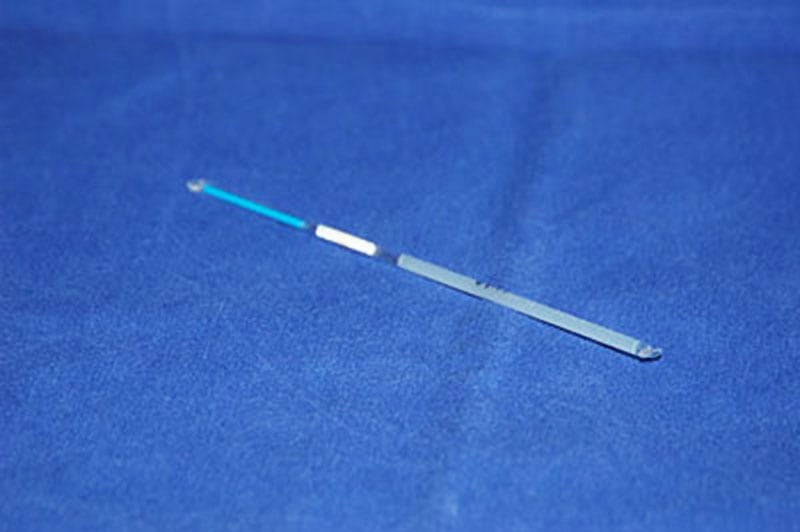
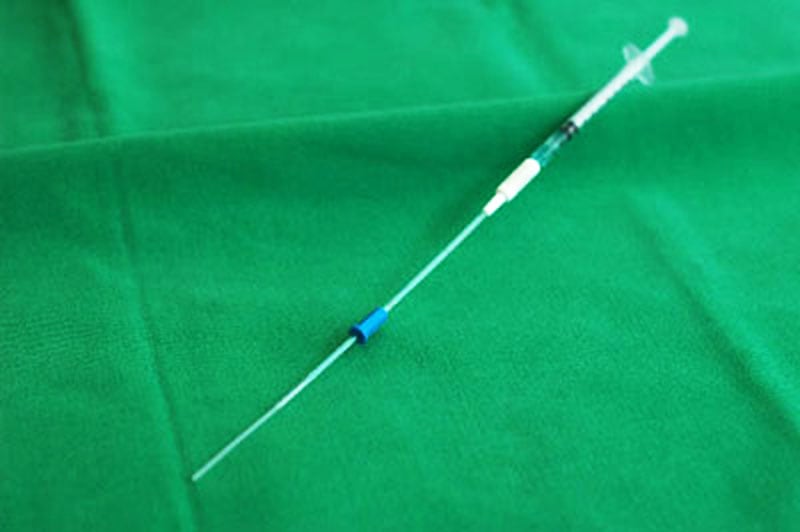
Insemination catheters


Treatment prerequisites

The close cooperation with the Berliner Samenbank GmbH enables an optimal selection of donors for the couple. The listing of various characteristics of all donors allows the selection of the one who most closely resembles the man in physical characteristics (eye color, hair color, body weight, body height, blood group, body build, head shape, hair growth, etc.). This allows the resulting child from this therapy to be externally similar to both of the so-called “social parents”.

Once a treatment contract has been signed with notarial certification, the appropriate therapy can be started.

For more information, please contact our partner. Berliner Samenbank GmbH

Monitoring / VZO (intercourse to the optimum)

Depending on the couple's wishes, the present findings and other basic requirements (age, duration of the unmet desire for a child, etc.) may indicate that it is advisable to first monitor the course of the natural cycle through more intensive examinations (hormone levels; ultrasound). As a result, you can be informed about the optimal time for conception (the best time to achieve pregnancy).

Hormone treatment

If the hormone test performed at the beginning (if necessary after further evaluation) revealed a significant hormone disorder, this can be treated specifically. Of course, various hormone disorders can also occur simultaneously, so that several medications may occasionally have to be taken in parallel.

Anaesthesia

General anesthesia puts you into a sleep-like state; that is, it shuts down your consciousness and, above all, your sense of pain.

IUI

Insemination is one of the relatively simple procedures and is performed in cases of relatively mild male fertility problems or disorders in the cervical canal, e.g., disorders of mucus production or after a conectomy (incision of the external opening of the vagina). The treatment can be performed with or without hormone treatment depending on any pre-existing oocyte maturation disorder. The purpose of this treatment is to bring the prepared sperm in high concentration close to the egg cell in order to promote the occurrence of fertilization.

IVF

IVF (Reagent glass insemination) is typically used when the woman has bilateral fallopian tube blockage. But the man’s reduced sperm quality, the woman’s age, the couple’s distress, and the failure of other treatments can also lead to the decision to IVF seek this treatment.

ICSI

In cases of severely impaired sperm quality, or when only sperm can be obtained via testicular tissue sampling, an additional test is ICSI required.

Cryoconservation

Thus, if IVF or IVF + ICSI „excessive“ (partially fertilized) eggs have been frozen, they can be used in the so-called „cryocycle“.

ADI

If no sperm are present at all, the use of donor sperm can also be considered. Other reasons may also seem reasonable.

Blastocyst culture

In blastocyst culture, the embryos are further cultured until the 5th day.

Privacy Preference Center