slow-freezing
Slow freezing (slow freezing)
In what is probably the most widely used „slow-freezing“ method to date worldwide, the cells are cooled gradually to -196 degrees Celsius using computer-controlled procedures after adding freezing agents that are intended to prevent the formation of ice crystals in the cells. This enables long-term storage of the cells while the biological processes in the cells are halted. The added cryoprotectives (freezing agents) largely prevent the osmotic damage to the cell, which despite the low concentration still has a slight cytotoxic (cell-killing) effect. Furthermore, they ultimately do not reliably prevent the formation of ice that can damage the cell organelles.
Although this procedure is technically relatively simple and can be performed on multiple cells at the same time, it carries a risk of approximately 30% loss. This means that 1/3 of these cells do not complete the fertilization process after thawing and cannot become embryos.
Even the transfer of morphologically good embryos does not lead to an equal pregnancy rate (SSR) compared to the „fresh cycle“. The SSR can be up to 30% lower than in the „fresh cycle“.
That slow freezing It is only useful in the case of fertilized eggs, the so-called PN stages, as they are significantly more sensitive than unfertilized eggs and embryos.
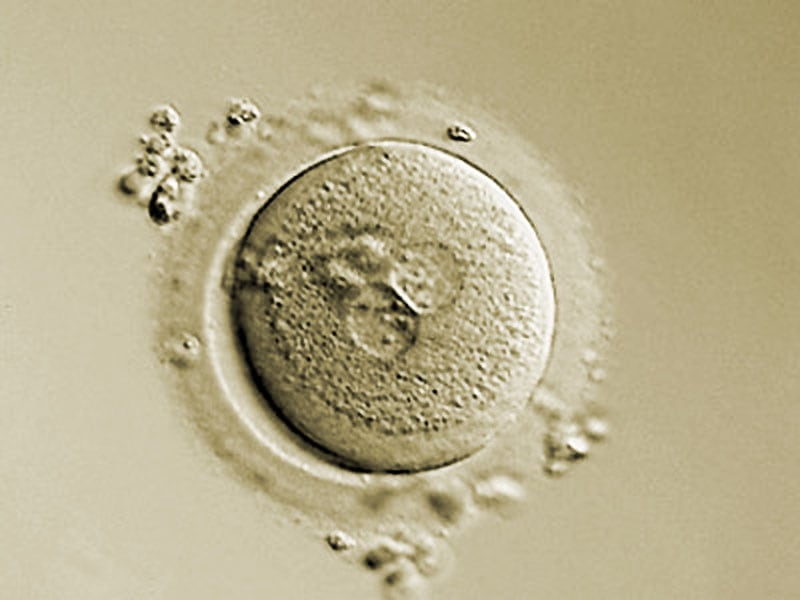
At the conventional IVF– (if applicable, incl. ICSI-) Treatment often produces more eggs and is extracted than is necessary to achieve pregnancy in the „fresh cycle“. Shortly before fertilization is completed by the fusion of the egg cell’s genetic material with the sperm, the cells are in the so-called PN stage (Pro Nucleus = Pre-nucleus). Only at this stage can the cells be frozen without risking loss of viability.
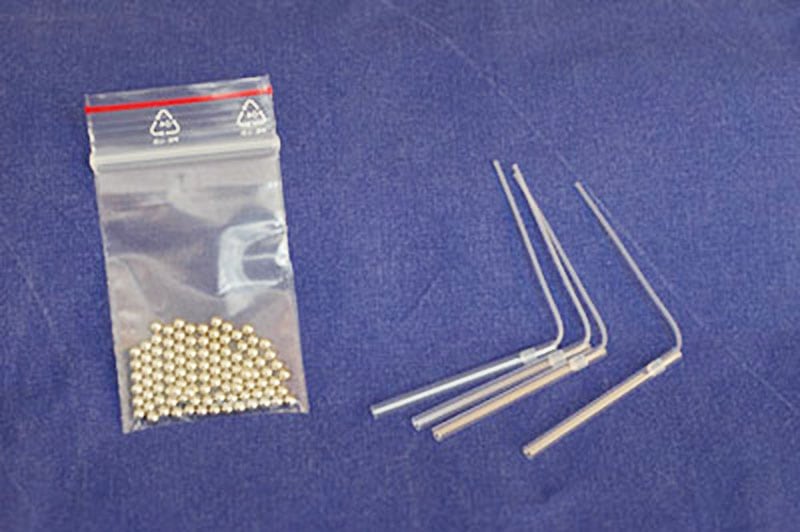
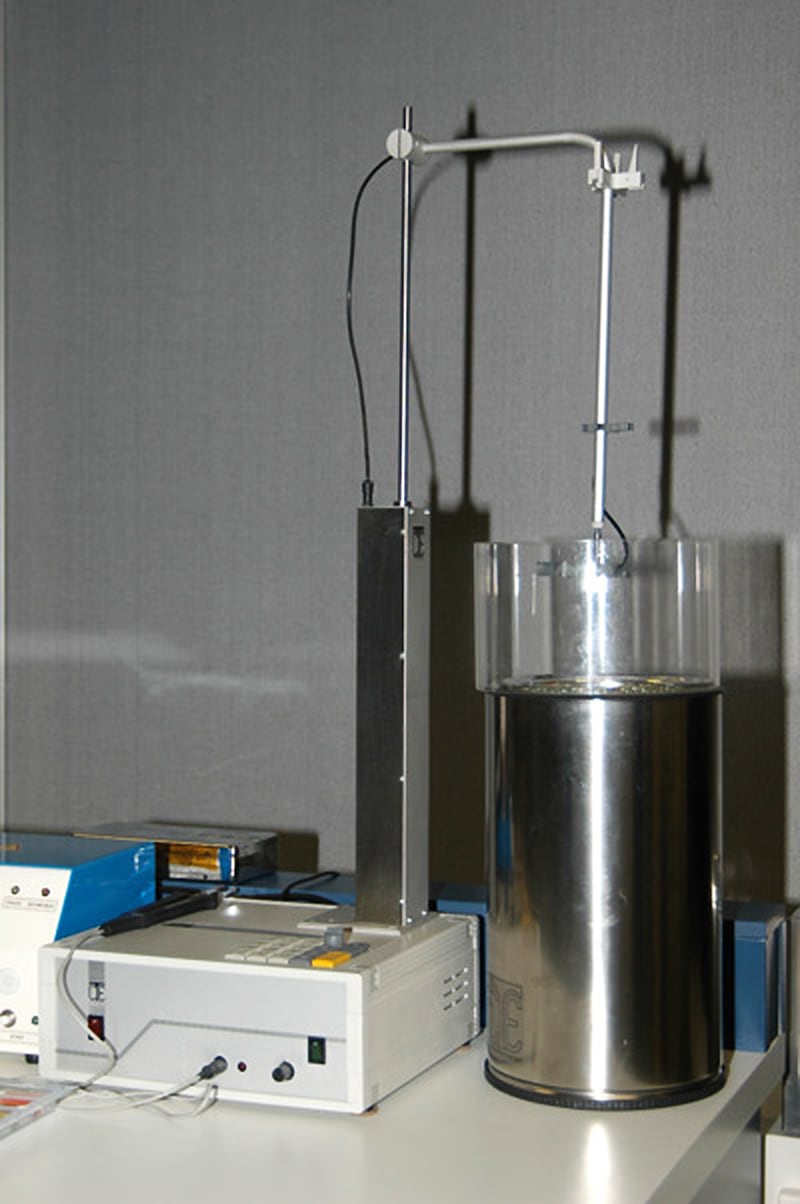
These can be thawed in later cycles and cultured into embryos, without the need for any further hormone treatment or ovarian retrieval surgery beforehand.
If embryo transfer in the „fresh cycle“ was successful, these cells can, for example, be used two years later for treatment of another child. The storage can be maintained for several years without any loss of quality.
Because of that slow freezing, However, since freezing eggs in Germany is still the most common method, it is possible to freeze unfertilized eggs (e.g., as a fertility reserve before cancer therapy, or as a „lifestyle“ measure) with minimal damage. This method is also not optimal for embryos.